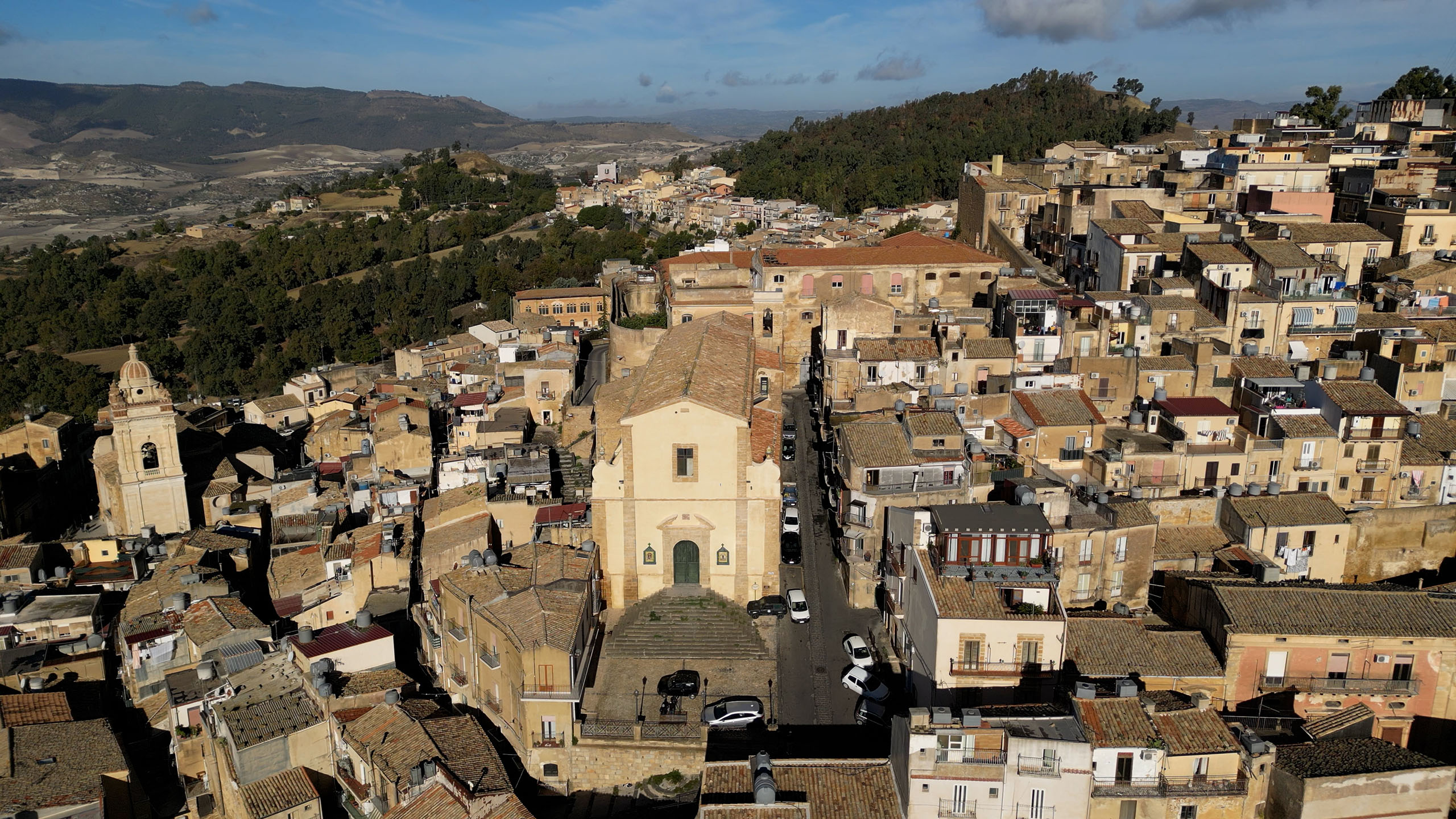
The Church of San Bonaventura was built in the first half of the 17th century at the behest of the Servant of God Father Cherubino Girgintano da Caltagirone.
It is located next to the Convent of the Friars Minor Observant Reformed Franciscans, which was transformed into a prison after the unification of Italy and the confiscation of ecclesiastical property.
The church is undoubtedly one of the richest in the city in terms of works of art.
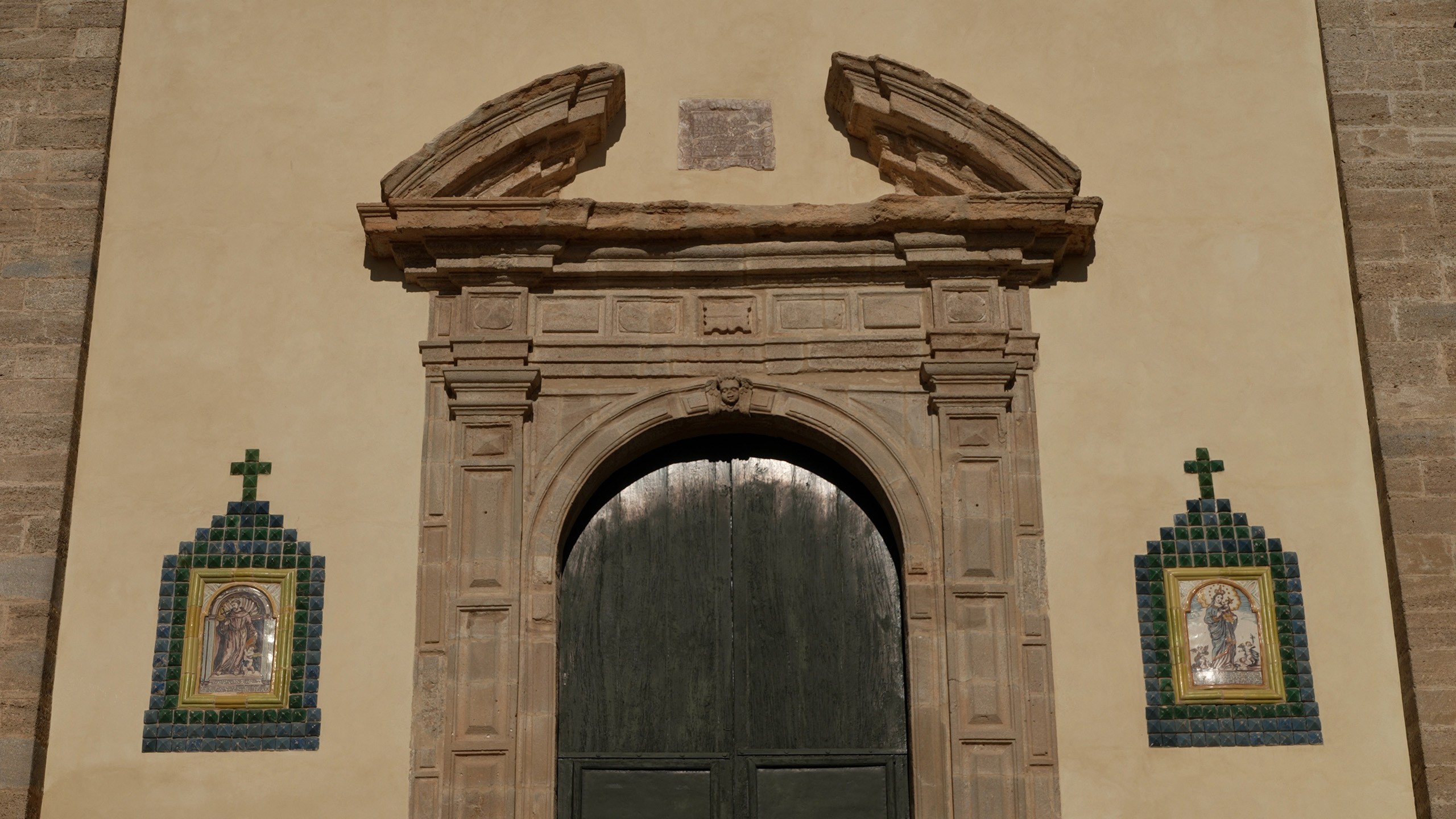
Rebuilt after the earthquake of 1693, on the simple main façade there are two ceramic panels by Giuseppe Di Bartolo, depicting St. Francis of Assisi and Our Lady of Health.
The interior arouses amazement for the beauty of the frescoes, some of which can be attributed to the painter Pietro Paolo Vasta and his school, the canvases, statues and stuccoes. The presbytery features frescoes, a frontal covering the high altar made using the ancient art of scagliola with hard mixtures of various colours instead of inlaid marble, and a case for the Blessed Sacrament.
The latter is an 18th-century wooden work that is carved and inlaid. Previously, an altarpiece depicting St. Bonaventure was placed above it, but it was replaced with a canvas featuring the Risen Christ after it was stolen.
The side chapels contain a small marble statue of Our Lady of Health by Antonello Gagini from 1516, and the Crucifix by Fra’ Umile da Petralia.
The church houses tombs of important artists and illustrious men of the city, including Isidoro Boscari, Giuseppe Failla, Mario Vaccaro, Giacomo Bongiovanni, and Giacomo Gravina Interlandi. This makes the Church of San Bonaventura a sort of Pantheon of Caltagirone.